
 Ask an Engineer
Electric Actuators for Hydraulic Replacement
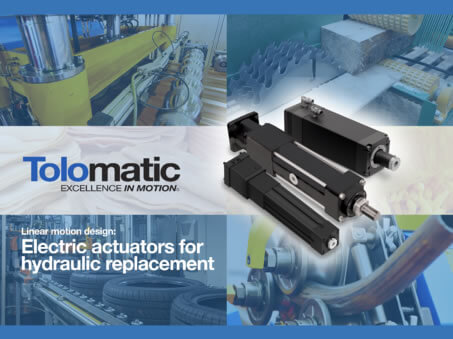
Electromechanical actuators are increasingly proving their superior performance over hydraulics across diverse applications. In addition to offering greater precision, flexibility and reliability, electric rod actuators provide energy efficiency and lower maintenance requirements that reduce their total cost of ownership (TCO).
Learn about:
- Benefits
- Total Cost of Ownership
- Sizing and Converting Tips
- Application Examples
Read Now
Why Go Electric?
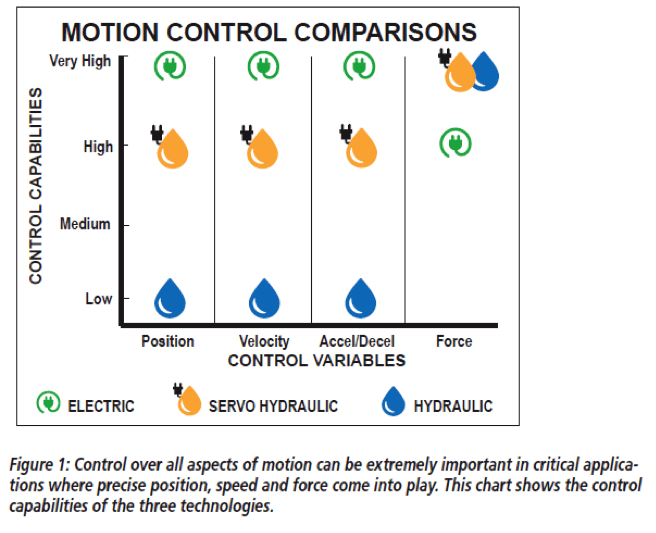
Benefits of Electric Linear Motion Systems:
- Thrust capability
- Force control
- Position control
- Temperature
- Life and maintenance
- Data collection
- Efficiency/utility costs
- Environmental concerns
Learn more about the benefits of Electric Linear Actuators.
Compare Electric vs. Hydraulic Cylinder Specifications
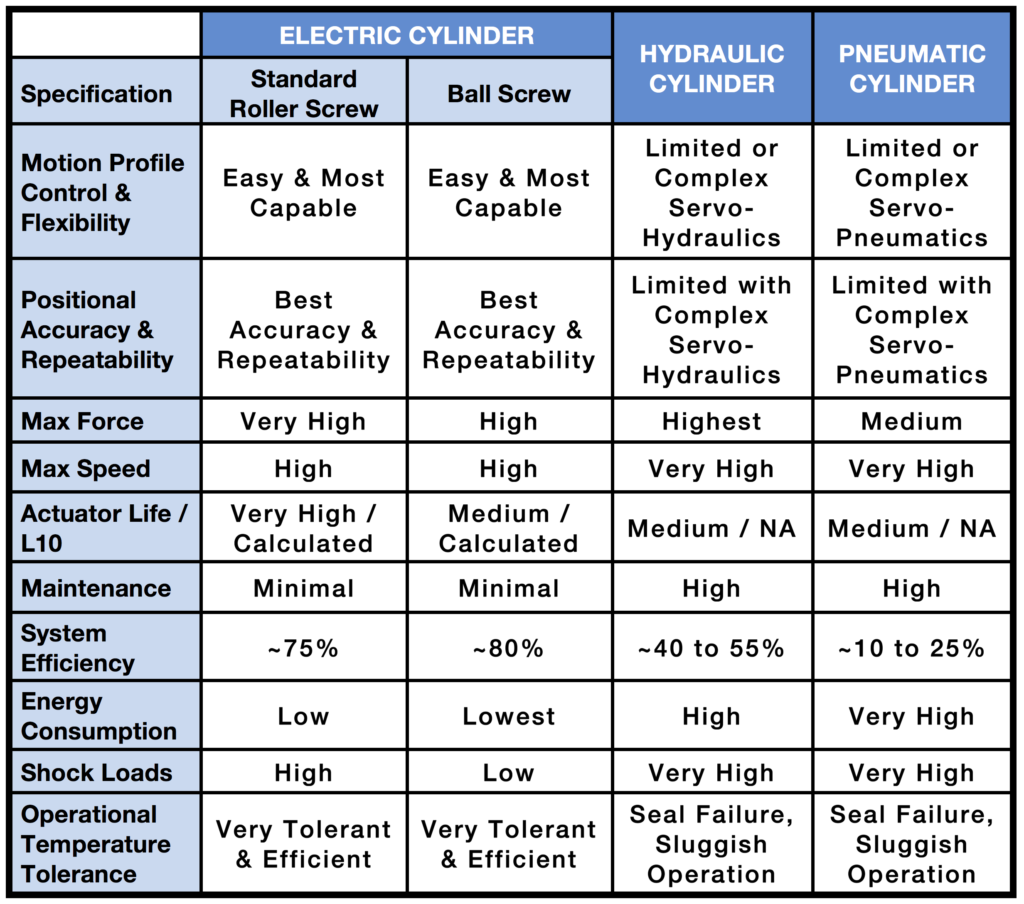
Learn more about how electric compares in intelligence and operations.
Total Cost of Ownerhip
Engineers who have been using hydraulics for a long time may not recognize the total cost of maintenance, scrap and lost productivity. Think about it from the iceberg principle: the cost of a hydraulic cylinder is lower than an electric actuator. The hidden costs are under the surface: Installation, operating costs, disposal fees, environmental costs all add up to the Total Cost of Ownership of a system.
Electric rod actuators (cylinders) also have very large force capacities and offer improved system flexibility, precision & reliability.Advancements in electric rod actuators have created an ongoing debate over which technology, hydraulic cylinders or electric actuators, offers the best overall solution. Download Tolomatic’s paper on the pros & cons of Electric Actuator vs. Hydraulic cylinder systems.
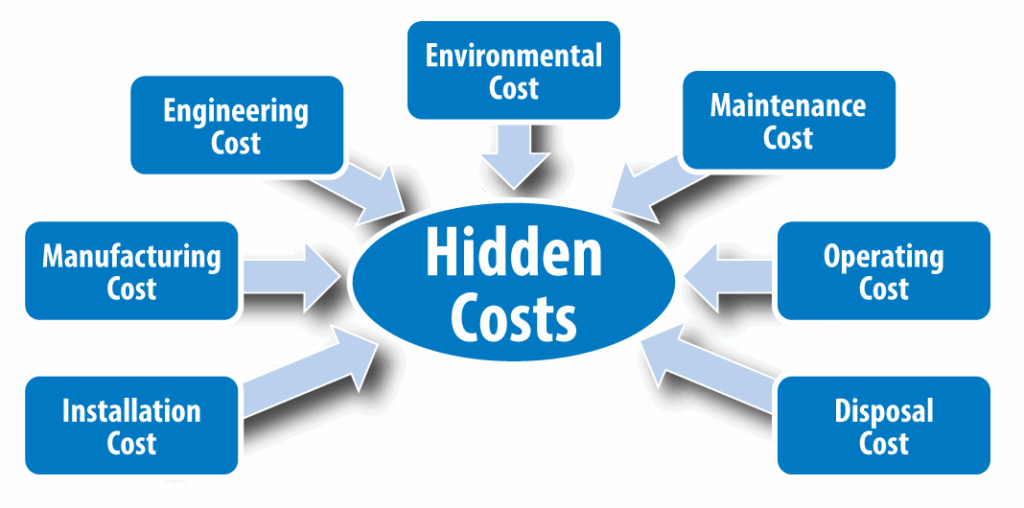
Determining Total Cost of Ownership for Electric Actuators
Besides improvements in motion control, there are other factors that contribute to the overall total cost of ownership. In many cases, if all these factors are considered over a reasonable life of the equipment, the electric actuator system will have a lower total cost of ownership.
These factors include:
- System components – Hydraulic systems require more components to purchase and maintain.
- Footprint – Although hydraulic cylinders are compact, the overall footprint of an electric actuator system is typically much smaller when factoring in the footprint of the hydraulic power unit, allowing for a more compact and efficient machine design.
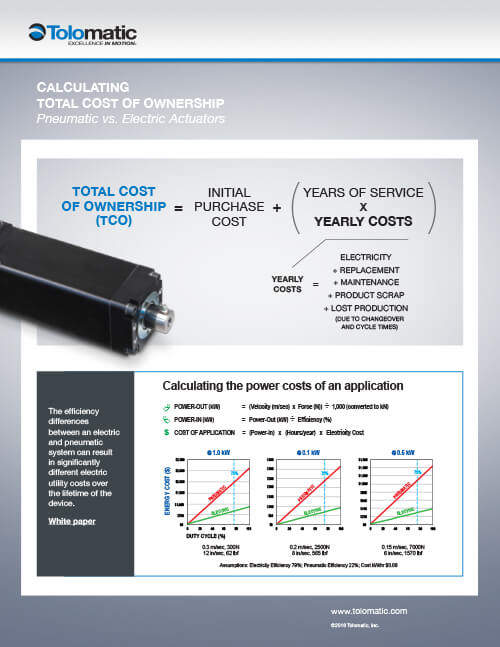
- Life – The life of electric actuators can be estimated with an L10 calculation & dynamic load rating while the life of hydraulic cylinders is extremely hard to predict. Electric actuators allow users to better calculate and select an actuator that meets their system life requirements. Download “Calculating Total Cost of Ownership” Infographic.
- Efficiency – Electric actuator system efficiency is typically in the 75-80% range while hydraulic systems typically realize around 40-55% efficiency.
- Utility costs – Due to efficiency, hydraulic actuators can consume 2-3 times the amount of electric utility each and every year. Download “Electric vs. Servo-hydraulic vs. Hydraulic Actuators” Infographic.
- Maintenance – When you replace a hydraulic cylinder system with electric actuators, you have a lot less maintenance to deal with — especially regarding seals. Due to wear, temperature, and other factors, seal integrity will diminish and performance along with it.
- Temperature – With high / low temperature grease, electric actuators can operate in temperature extremes with minimal effect on performance.
- Leaks and environmental concerns – Only a matter of time before hydraulic systems will leak. Leaks can be safety hazards as well as contribute to many environmental concerns.
- Data collection – Servo systems used with electric actuators provide position, velocity, and force/torque data at all times to the control system and better monitor processes.
- Other factors – Noise, shock loads, side loads
How to Convert from Hydraulic to Electric
Discover what it takes to confidently transition from hydraulic to electric actuators in industrial automation. Learn more about the three step-process for making the switch.
- Determining actual force requirements
- Defining motion profiles
- Using sizing software to select an actuator
Making the Jump to Electric whitepaper discussed the benefits of electric actuators, including better process control, reduced environmental risks and improved product quality.
Application Success Stories
Actuator electrification has many benefits that apply to a wide variety of industries. Their clean design means no oil leaks, no workpiece contamination, no environmental risk and minimal downtime due to maintenance. Their consistency means repeatable results that aren’t dependent on fussy hydraulic fluid lines.
When you replace your hydraulic cylinders with electric actuators, the result is better part accuracy and more accurate fill times. These results can benefit a number of industries, including but not limited to:

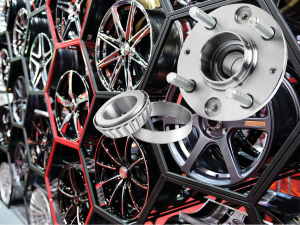
Wheel Bearing Press
Solving the challenge of changeover issues causing lost production time and rework.
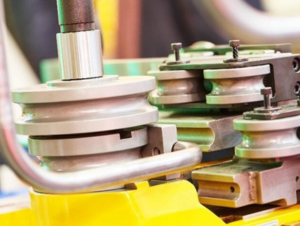
Tube Bending Machine
Struggling with repeatability and accuracy? You can make better parts with electric actuators than you can with hydraulics.
More Industry Applications
Tolomatic’s motion solutions can benefit a number of industries, including but not limited to:
- Metal Fabrication — Force feedback, used to compensate for tolerances in wall thickness and the welded seam location, can help a machine designer reduce scrap in tube welding applications by 80 percent. Other metal fabrication processes can also benefit from electrification, for example an RSX Extreme Force Electric Linear Actuator helped improve the efficiency of a Wheel Bearing Press by 40%.
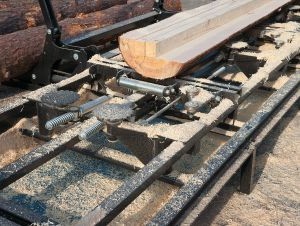
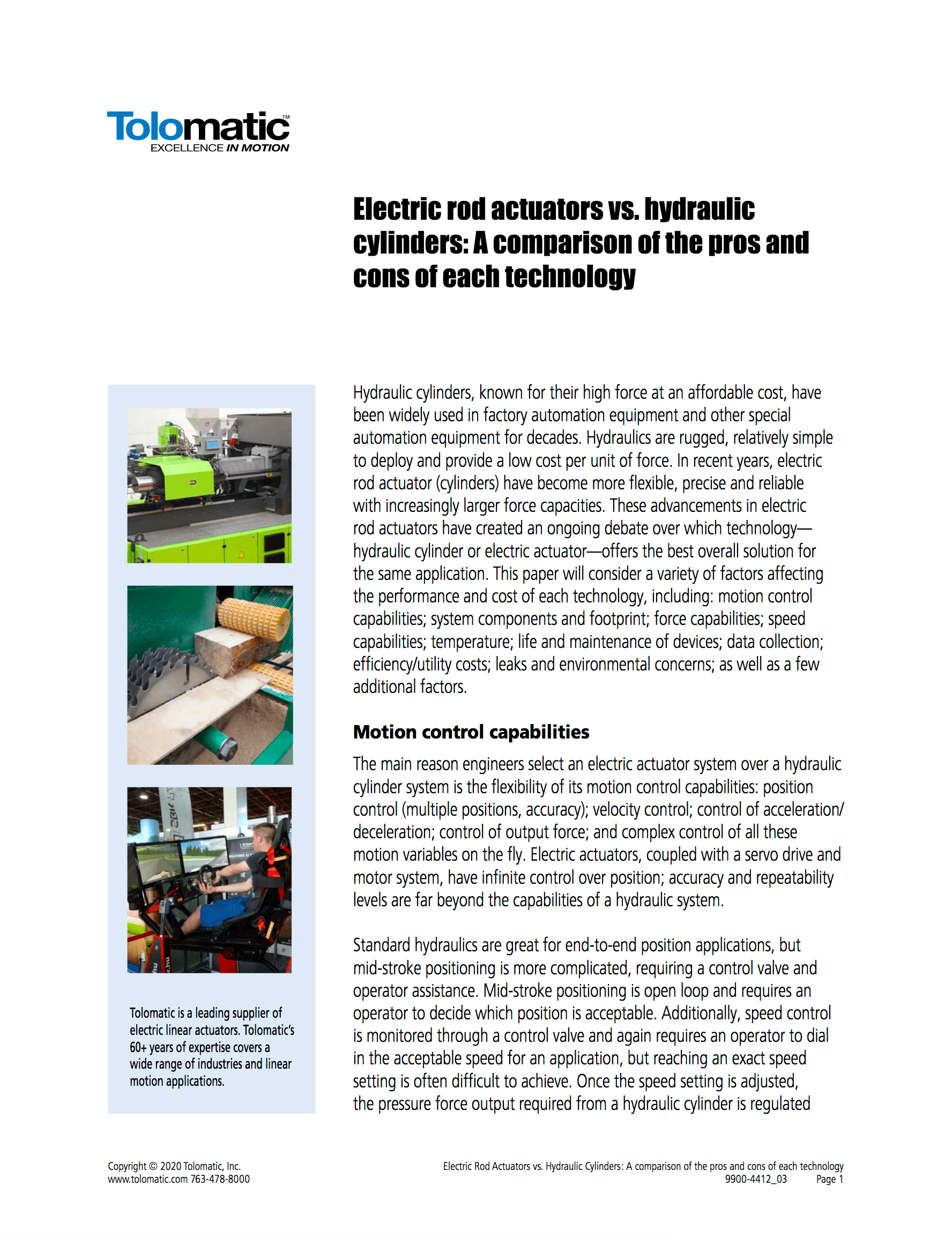
- Timber Processing — Electric actuators are a robust, long-lasting alternative to hydraulics used to position machine rollers on planers. A modified Tolomatic RSA64 HT with roller screws and IP67 seals helped a manufacturer improve efficiency while protecting their actuator from on-the-job contaminants.
- Plastic Injection Molding — OEMs often need more efficient control for their plastic injection molding applications. We’ve helped pharmaceutical and medical OEMs with Aseptic Plastic Injection Molding solutions that both fit and performed better than hydraulics.
- Tire Manufacturing — Some of the main tire manufacturing companies are currently mandating conversion from hydraulic to electric. For many manufacturers, it’s easier to stay ahead of change than falling behind competition for many applications including tire inspections and tire geometry.
- Transportation — Tolomatic actuators are an excellent fit for high duty cycle applications like high-speed train wheel steering or powertrain assembly. Better part quality and increased productivity due to decreased change-over times means electrification is uniquely beneficial for these applications.
- Defense and Security Barriers — One particular Tolomatic customer needed help with the lifting and lowering of a security barrier. Their hydraulic solutions were leaking, noisy, and inconsistent — so they were replaced by an electric actuator that helped stop both noise and efficiency issues while making it easier for the barrier to function in harsh temperatures.
- Automotive — Electrification offers benefits across the automotive industry, offering improved efficiency for applications like autobody resistance spot welding, air bag deployment, wheel bearing, EV battery tray welding and beyond.
- Food Processing — Accuracy and hygienic design are the name of the game with electric actuators in food processing applications — sorting sides of beef, slicing cheese and more.
Products
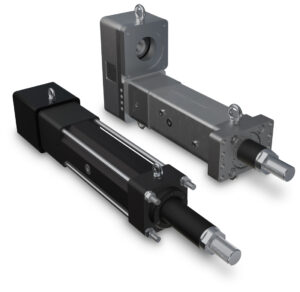
Hydraulic-class electric linear actuators that are roller screw driven, and provide extremely high forces, precision, and long life. Ideal for hydraulic replacement. Forces up to 100,000 lbf (445 kN).
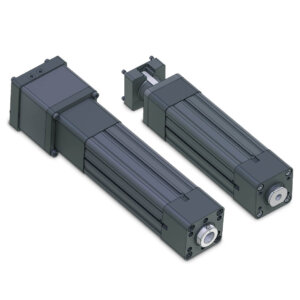
RSA electric linear rod actuators feature accurate and high force performance, making them ideal for replacing pneumatic & hydraulic cylinders. These electric linear actuators feature acme, ball or roller screw selections, with enhanced high thrust bearings and heavy duty internal bumpers. A rigid, strong aluminum housing allows for easy mounting of switches and sensors. RSA actuators are suitable for general motion control, valve actuation, punch press, injection molding and many more applications.
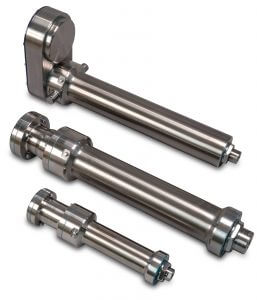
316 stainless steel construction and IP69K rating provide an electric rod style actuator ideal for food, beverage, and pharmaceutical machines. Forces up to 7,943 lbf (35.3 kN).
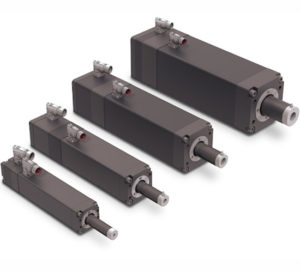
Electric rod actuator integrated with a servo motor in a single, compact design that integrates with 3rd party drives and accessories. Forces up to 8,044 lbf (35.8 kN).
Design Tools

Force Calculator for Hydraulic to Electric Conversion

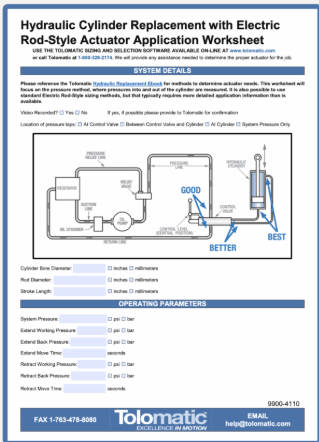
Use this tool to estimate the force output of a single hydraulic piston based upon it’s physical size and hydraulic pressure entering and exiting the system. The tool also provides a suggested Electric Actuator solution based upon the force calculated.
Measure pressure at the cylinder. The most accurate location for reading pressure is closest to the point of work. If you do not know your back pressure, enter zero. If you do not know your input pressure (P1), enter your system pressure.
Ready to discuss a project? Contact an Engineer.